
An inside look at the CARE Study—a national research initiative exploring how acupuncture may help veterans reduce pain, improve physical function, and enhance quality of life.
✍️ By Dr. Kim Windschauer, Certified Neuropuncturist®, L.Ac. 📅 July 2026 📍 Clearwater, FL ⏱ 7 min read
Medically reviewed by Dr. Kim Windschauer, Certified Neuropuncturist®, L.Ac., NCCAOM Board Certified — Florida-licensed Acupuncture Physician and Doctor of Oriental Medicine with more than 20 years of clinical experience. Dr. Kim specializes in Neuropuncture®, chronic pain, peripheral neuropathy, neurological conditions, and integrative support for complex symptoms.
For many veterans, the physical effects of military service continue long after they return home. Chronic pain, fatigue, sleep disruption, cognitive difficulties, headaches, and other persistent symptoms can affect nearly every part of daily life.
Acupuncture of West Florida is honored to contribute to the CARE Study, a national research effort examining whether individualized acupuncture can reduce pain and improve physical function for veterans living with Gulf War Illness.
As a participating community acupuncture physician in Clearwater, Florida, I have the privilege of working directly with veterans while helping researchers gather the clinical information needed to better understand this complex condition.
DoD Funded
Supported by the United States Department of Defense
Multi-Site
Veterans receive care through participating community practitioners
CARE Study
Evaluating pain, physical function, and biological changes
In This Article:
What Is Gulf War Illness?
Gulf War Illness is a term used to describe a group of persistent, medically unexplained symptoms experienced by some veterans who served during the 1990–1991 Gulf War.
Symptoms vary from person to person and may involve several systems of the body at once. Commonly reported concerns include:
- Chronic muscle and joint pain
- Persistent fatigue
- Sleep disturbances
- Headaches
- Difficulty with memory or concentration
- Digestive symptoms
- Changes in mood or nervous-system regulation
- Reduced physical function and activity tolerance
The complexity of these symptoms can make Gulf War Illness difficult to treat. A veteran may be managing pain, disrupted sleep, exhaustion, and cognitive symptoms simultaneously rather than dealing with one isolated condition.
Why individualized care matters: Gulf War Illness does not present exactly the same way in every veteran. The CARE Study uses individualized acupuncture rather than a single identical point prescription for every participant.
What Is the CARE Study?
The CARE Study is a Department of Defense–supported research project examining whether acupuncture can reduce pain and improve physical function for veterans living with Gulf War Illness.
The project brings together researchers and clinicians from respected institutions, including the University of Utah College of Nursing, Harvard-affiliated Beth Israel Deaconess Medical Center, and the University of California, Berkeley.
Researchers are not only evaluating whether participants feel better. They are also examining measurable changes that may help explain how treatment affects the body.
CARE Study · Veteran Health · Acupuncture Research
Primary Areas Being Evaluated
The study is examining changes in pain, physical function, sleep, activity, inflammation, autonomic nervous-system activity, and other biological indicators associated with Gulf War Illness.
How the Community-Based Study Works
One of the most important features of the CARE Study is its decentralized design.
Traditional clinical research often requires participants to travel repeatedly to a large university or medical center. That can be difficult for people living with chronic pain, fatigue, mobility limitations, or transportation challenges.
The CARE Study instead works with qualified acupuncture physicians in participating communities. This allows eligible veterans to receive treatment closer to home while researchers coordinate data collection across multiple locations.
The Study May Include
- Individualized acupuncture treatments
- Patient-reported pain and function assessments
- Wearable activity or health-monitoring technology
- At-home biological sample collection
- Sleep and activity measurements
- Evaluation of inflammation and nervous-system regulation
Why this model matters: Bringing research into local communities can reduce travel burdens and make participation more practical for veterans who may already be managing significant symptoms.
Why Researchers Are Studying Acupuncture
Acupuncture is being studied because it interacts with several physiological systems involved in pain processing, circulation, inflammation, stress response, and autonomic nervous-system regulation.
For a complex, multi-symptom condition such as Gulf War Illness, researchers are interested in whether acupuncture may influence more than one part of the symptom pattern at the same time.
1. Pain Processing
Acupuncture stimulates sensory nerves and can influence how pain signals are processed within the spinal cord and brain. This makes it particularly relevant to research involving chronic and neurologically mediated pain.
2. Autonomic Nervous-System Regulation
The autonomic nervous system helps control involuntary functions such as heart rate, digestion, sleep, stress response, and recovery. Acupuncture may help shift the body away from prolonged fight-or-flight activation and toward a more regulated state.
3. Inflammatory Signaling
Researchers are evaluating inflammatory markers because chronic inflammation may contribute to pain, fatigue, and other symptoms. Studying these biological changes can help determine whether reported improvements correspond with measurable physiological effects.
4. Sleep and Physical Function
Pain and poor sleep often reinforce one another. When sleep is disrupted, pain sensitivity may rise, fatigue may worsen, and physical activity may decline. Improving one part of this cycle may positively affect the others.
The goal is not simply to ask whether acupuncture helps. It is to understand who may benefit, which symptoms change, and what may be happening biologically when improvement occurs.
Dr. Kim’s Role in the CARE Study
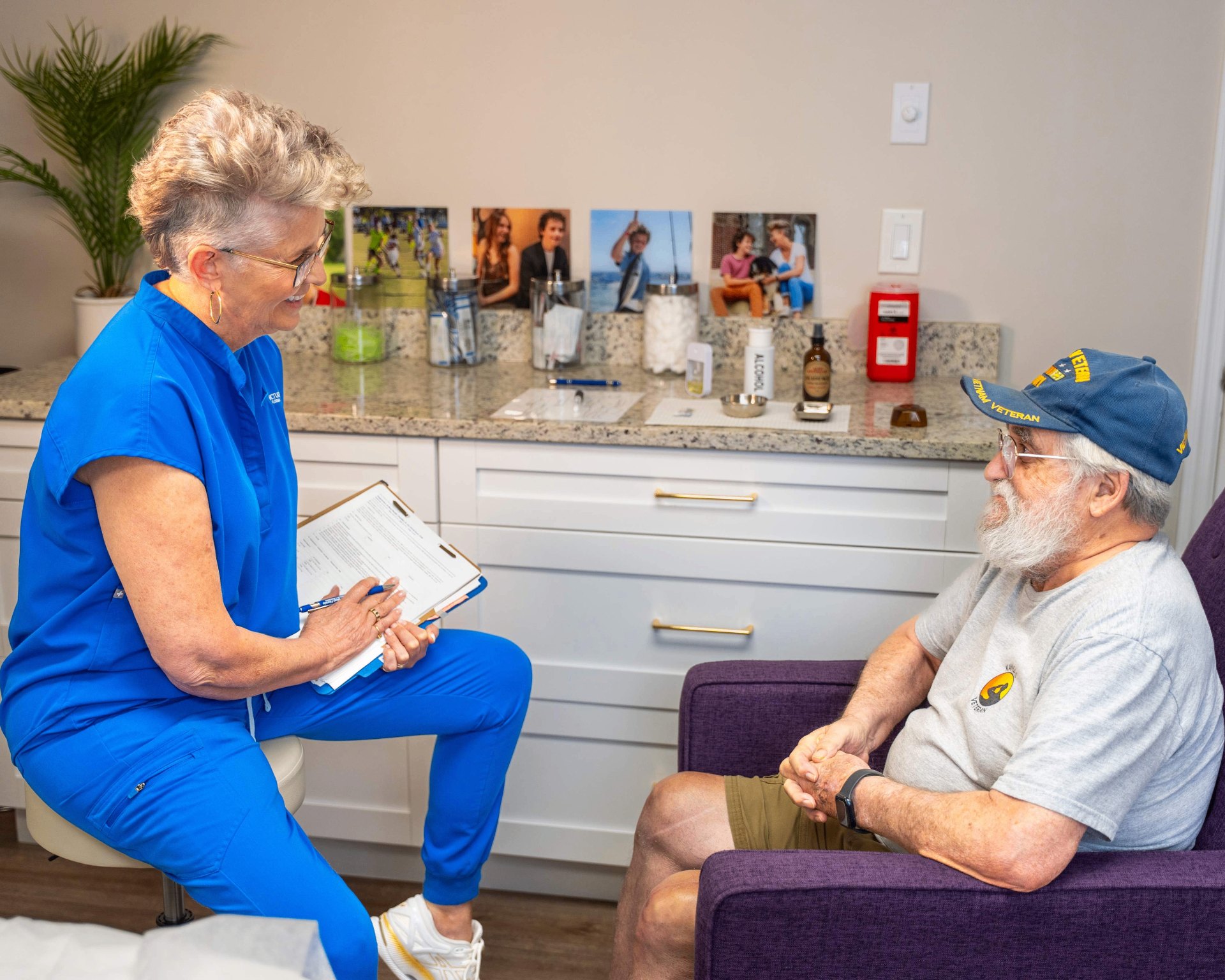
As a participating acupuncture physician, I provide study treatments according to the CARE Study’s established research requirements while still tailoring each acupuncture session to the veteran’s individual symptom presentation.
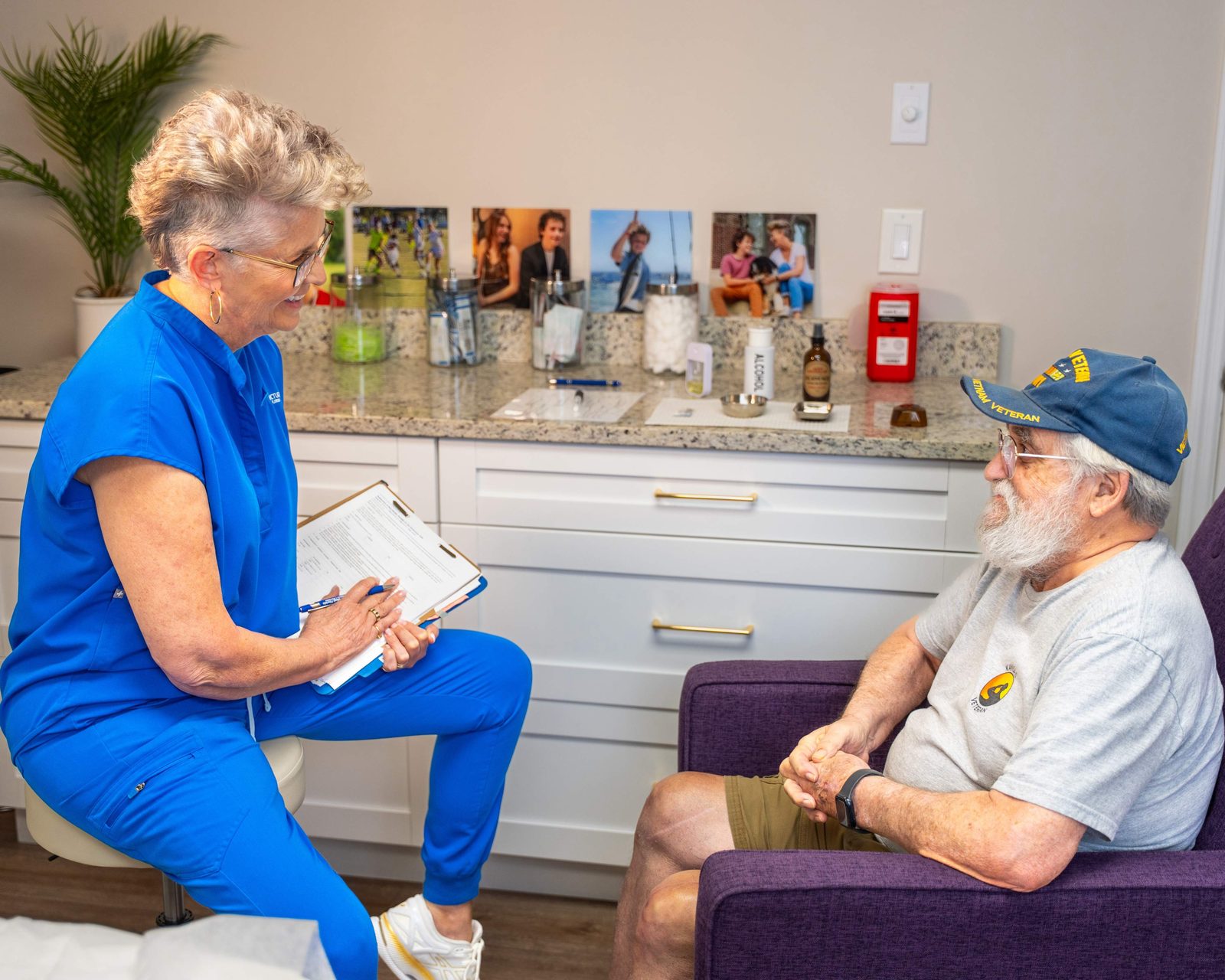
Each interaction begins with listening. Chronic and complex conditions cannot be understood through a checklist alone. Veterans may describe pain, fatigue, sleep disruption, neurological symptoms, or limitations that affect activities most people take for granted.
My responsibility is to provide careful, consistent treatment while supporting the integrity of the research process.
For me, this work is deeply personal: Veterans deserve to feel heard, respected, and supported while researchers continue searching for better answers and more effective treatment options.
Why This Research Matters
Veterans living with Gulf War Illness have often spent years navigating symptoms that are difficult to explain, measure, and treat. Some have tried numerous medications, specialists, and therapies without finding adequate relief.
High-quality research is necessary to determine whether acupuncture produces meaningful improvements beyond anecdotal reports.
The CARE Study may help answer several important questions:
- Can acupuncture meaningfully reduce chronic pain?
- Can it improve mobility and daily physical function?
- Does treatment affect sleep or activity patterns?
- Are improvements associated with biological changes?
- Which veterans are most likely to benefit?
- Can community-based research make treatment more accessible?
These answers may help physicians, researchers, policymakers, and veterans make more informed decisions about the role acupuncture could play within an integrative treatment plan.
Read the University of Utah Feature
The University of Utah College of Nursing published an in-depth feature about the CARE Study, the veterans participating, and the community-based practitioners helping deliver treatment. Read the Full CARE Study Article
Evidence-Informed Acupuncture in Clearwater, Florida
Participation in the CARE Study reflects the same approach we use every day at Acupuncture of West Florida: individualized treatment, measurable goals, careful evaluation, and respect for the patient’s broader medical care.
Our Clearwater clinic works with patients experiencing:
- Chronic pain
- Peripheral neuropathy
- Chemotherapy-induced peripheral neuropathy
- Arthritis and mobility limitations
- Neurological symptoms
- Sleep disruption
- Stress and nervous-system dysregulation
- Cancer-treatment side effects
Every treatment plan begins with a detailed consultation and evaluation. We consider your medical history, symptoms, functional limitations, goals, and response to treatment before recommending a course of care.
Acupuncture is used as complementary care and is not a replacement for appropriate medical evaluation or treatment. When appropriate, we collaborate with physicians, oncologists, neurologists, physical therapists, and other members of a patient’s healthcare team.
Frequently Asked Questions
What is the CARE Study?
The CARE Study is a Department of Defense–supported research project evaluating whether individualized acupuncture can reduce pain and improve physical function for veterans living with Gulf War Illness. What is Gulf War Illness?
Gulf War Illness describes a collection of persistent symptoms experienced by some veterans who served during the 1990–1991 Gulf War. Symptoms may include chronic pain, fatigue, sleep disruption, headaches, cognitive difficulties, digestive concerns, and reduced physical function. Is Acupuncture of West Florida involved in the CARE Study?
Yes. Dr. Kim Windschauer and Acupuncture of West Florida are contributing to the CARE Study through its community-based treatment network in the Tampa Bay area. Does acupuncture cure Gulf War Illness?
No cure should be promised. The purpose of the CARE Study is to determine whether acupuncture can meaningfully reduce symptoms such as pain and improve physical function. Individual responses vary. Can veterans receive acupuncture outside the study?
Veterans and non-veterans may schedule a consultation at Acupuncture of West Florida for chronic pain, neuropathy, and other qualifying concerns. Receiving care at the clinic does not automatically mean that a patient is enrolled in the CARE Study. Study eligibility is determined separately by the research team. Where is Acupuncture of West Florida located?
Acupuncture of West Florida is located at 3001 Executive Drive, Suite 150, Clearwater, Florida 33762. The clinic serves patients from Clearwater, St. Petersburg, Tampa, Largo, Dunedin, Safety Harbor, Pinellas County, and surrounding Tampa Bay communities. 
Dr. Kim Windschauer
Certified Neuropuncturist® · Licensed Acupuncture Physician · NCCAOM Board Certified
Dr. Kim Windschauer is a Certified Neuropuncturist® and Florida-licensed Acupuncture Physician with more than 20 years of clinical experience. Her practice focuses on neurological conditions, peripheral neuropathy, chemotherapy-induced neuropathy, chronic pain, arthritis, mobility concerns, and integrative oncology support.
She combines advanced Neuropuncture® techniques with traditional acupuncture and individualized treatment planning to help patients reduce symptoms, restore function, and improve quality of life.
[email protected] · 727-490-6060
Related Reading
Peripheral Neuropathy Treatment in Clearwater → Acupuncture for Cancer Support → Meet Dr. Kim Windschauer →
Could Acupuncture Be Part of Your Care Plan?
Schedule a complimentary consultation at Acupuncture of West Florida in Clearwater. Dr. Kim will review your symptoms, health history, and goals before recommending a personalized treatment plan. Book a Free Consultation Call 727-490-6060
This article is provided for educational purposes only and does not constitute medical advice. Research participation and eligibility are determined by the CARE Study research team. Acupuncture outcomes vary, and no specific result is guaranteed. Acupuncture should complement, not replace, appropriate medical evaluation and treatment.